
Even if we know the basic principles, it is often a concrete signal that prompts us to change our habits: unusual shortness of breath when climbing stairs, deteriorating sleep over several weeks, or persistent fatigue despite rest. These everyday alerts concern all age groups, and the health advice that truly makes a difference is the one we apply regularly, not the one we read once and forget.
Adapted physical activity: what medical prescriptions change concretely
Most articles on daily health repeat that we need to “move more.” They rarely provide concrete details. What has changed in recent years is the integration of adapted physical activity into the care pathway. The High Authority of Health now recognizes the role of specific programs for people with chronic illnesses, functional limitations, or a risk of loss of autonomy.
In practice, this means that a doctor can refer a patient to a trained professional (adapted physical activity instructor, physiotherapist) with a tailored program. We are not talking about running a half-marathon, but about supervised sessions that target balance, muscle strengthening, or endurance according to the individual’s profile.
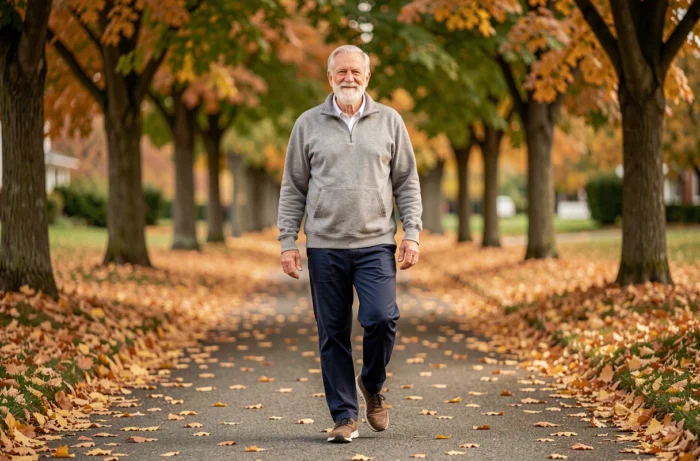
For younger individuals, the issue is different: screen-related sedentary behavior reduces spontaneous activity time. Thirty minutes of brisk walking or cycling daily is enough to maintain good cardiovascular health, regardless of age. Additional information can be found in the health section of On ne m’avait pas dit que, which addresses these topics from a practical perspective.
Vaccination prevention and health calendar: often ignored updates
It is often thought that vaccination mainly concerns children. However, recommendations regularly evolve for adults and the elderly. The HAS recently indicated a preferential use of the CAPVAXIVE pneumococcal vaccine for at-risk adults and individuals aged 65 and older. Such updates often go under the radar for most people.
Regarding the flu, the distinction is becoming clearer. The HAS recommends maintaining flu vaccination for individuals aged 65 and older living in communal settings, without making it mandatory, but advocates for a requirement for exposed healthcare professionals. Checking one’s vaccination record once a year with a primary care physician helps ensure that these developments are not overlooked.
Points to check during an annual consultation
- Complete vaccination status (diphtheria-tetanus-poliomyelitis boosters, seasonal flu, pneumococcus according to age and risk factors)
- Screening for silent chronic diseases: hypertension, type 2 diabetes, kidney disorders, which often develop without visible symptoms before age 50
- Assessment of frailty in those over 60, particularly muscle strength loss and balance disorders, two predictive indicators of falls
- Oral health check-up, often neglected, as poor oral health exacerbates cardiovascular risks and respiratory infections
Diet and sleep: two levers we adjust poorly
We know we need to “eat well” and “sleep well.” The problem is that these two parameters interact, and we often treat them separately. A diet that is too rich in the evening (saturated fats, quick sugars) disrupts sleep quality. Poor sleep leads to snacking the next day, often on high-calorie foods. This vicious circle sets in quickly.
Shifting the main meal to lunch rather than dinner is a simple adjustment that improves sleep quality for many people. Feedback on this point varies according to family and cultural habits, but the chronobiological principle remains solid.
Protein and hydration after 60
As we age, the feeling of fullness arrives more quickly, and thirst diminishes. We eat less, drink less, and muscle mass gradually declines. Consuming a source of protein at every meal (eggs, fish, legumes, dairy products) helps slow this loss. Regular hydration, including through soups and herbal teas, compensates for the decreased thirst signal.
For active adults, a common pitfall is an unstructured diet: skipped meals, constant snacking, lack of vegetables in daily meals. We do not need a special diet, but a stable food structure with meals at fixed times.

Heatwaves and daily health: an underestimated risk at any age
We automatically associate heatwaves with the elderly, but Public Health France reminds us that episodes of extreme heat have a health impact on the entire population. Outdoor workers, athletes, young children: the at-risk profiles are broader than we think.
Preventive measures go beyond “drink water.” Adapting physical activity schedules (early in the morning or in the evening), monitoring weather alerts, and recognizing early signs of heatstroke (nausea, headaches, confusion) are part of the reflexes to integrate from spring onwards.
Two common mistakes during hot weather
- Waiting to feel thirsty before drinking: the thirst mechanism triggers when dehydration is already established, especially in seniors and young children
- Maintaining the same physical activity program without adjusting intensity or timing, which increases the risk of heat-related illness even in fit individuals
Living better daily does not rely on a list of spectacular resolutions. It is the repeated adjustments, verified with a healthcare professional and tailored to each life stage, that produce lasting results. The next medical appointment is probably the best starting point.