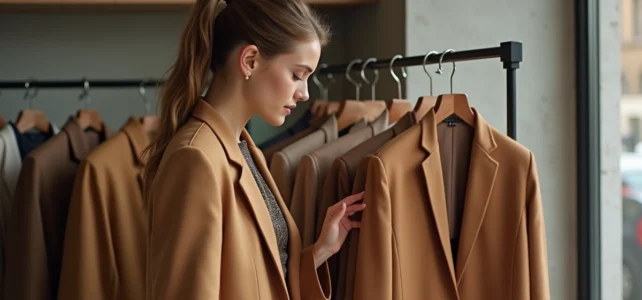
A fashion trend, in the strict sense, refers to a clothing movement identified on the runways of a given season, then relayed by the press and adopted on the streets. For spring-summer 2026, three axes structure the collections: the return of forgotten silhouettes, the primacy of touch in the choice of materials, and a logic of multi-use pieces that blurs the boundaries between office and evening wear.
Textures and Reliefs: Touch as a Style Criterion in 2026
The choice of a garment often starts with the eye. This season, it begins with the hand. The spring-summer 2026 collections place the grain and relief of fabrics at the center of building a look, according to an analysis published by Influencia Magazine.
Thick cotton with visible structure, crisp poplin, textured knits: these materials allow for the creation of a rich visual effect without multiplying pieces. A thick poplin shirt worn alone is enough to add volume and character to a minimalist silhouette.
This approach alters buying habits. Rather than seeking a flashy print or a spectacular cut, the gesture is to feel the fabric, to check its weight and drape. A sufficiently dense weight ensures a clean fall and superior durability, two qualities that matter when aiming for a style that lasts beyond a season.
On the fashion section of Lydie Tendances, pieces are often analyzed from this textile angle, which helps filter out passing fashion trends.
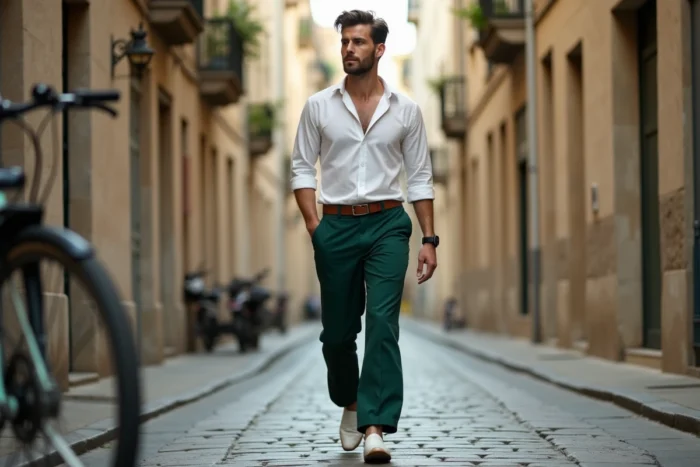
Raw Denim and Monochrome Silhouettes: The Jean Trend of the Season
Raw denim is clearly advancing in the collections. Not the faded or ripped jeans, but a rigid, dark, untreated fabric. This data comes from the ready-to-wear market analyzed by Accio: raw denim in monochrome variations is one of the guiding lines of the season.
Wearing raw denim from head to toe requires a bit of method. The key is to play with textures: a rigid canvas jacket paired with a slightly softer denim of a different weight avoids a uniform effect. Adding a structured accessory (a bag with geometric lines, for example) is enough to break the monotony.
Why Monochrome Denim Works Better Than the Classic Total Look
A total black look relies on the absence of color. A total raw denim look relies on the variation of material: the weave of each piece captures light differently. The result gives a more sculptural silhouette, with a depth that uniform black does not produce.
An unwashed raw jean ages over time and becomes unique. It is one of the few garments whose wear improves its appearance rather than degrading it, making it a sustainable style investment.
Pointed Heels: The Return of a Structuring Piece for the Look
After several seasons dominated by sneakers and thick-soled sandals, pointed heels with a thin heel are returning to store windows. Grazia France documents this movement for spring-summer 2026, linking it to a more dressed-up version of “quiet luxury.”
The pump is not just an accessory. It changes posture, elongates the leg, and imposes a slower walking rhythm. Consequently, it alters how a garment falls on the body: straight pants or raw jeans immediately take on a different look with two centimeters of heel.
Pairing Heels with Casual Pieces
The trap would be to reserve the pump for dressed-up outfits. The most current combination consists of wearing it with casual pieces: monochrome jeans, a thick cotton t-shirt, a work jacket. This contrast between the formality of the foot and the casualness of the rest produces a style that resembles neither an office look nor a weekend outfit.
Multi-Use Pieces: Building a Fashion Wardrobe Without Multiplying Purchases
Influencia Magazine notes that the most pronounced buying behaviors focus on pieces wearable in multiple contexts: office, city, evening. This logic alters the very notion of trend. Instead of seeking the “statement” piece of a season, the reflex becomes to select garments that work in at least three different situations.
Here are the concrete criteria that define a truly multi-use piece:
- A cut that is neither too fitted nor too loose, which transitions from the office to the restaurant without looking out of place in either context
- A material with body (poplin, gabardine, structured knit) rather than a fine fabric that wrinkles at the first outing
- A neutral color or a muted shade that combines with the rest of the wardrobe without requiring a specific accessory
- Simple maintenance, compatible with regular washing without visible alteration of the fabric
Large Polka Dots and Structured Bags: Two Accents for Personalization
The large polka dot pattern, showing marked progress according to ready-to-wear market data, adds a graphic touch without complicating an outfit. A polka dot scarf, a midi skirt, or even a patterned bag is enough to transform a neutral base into something distinctive.
Structured bags with minimalist lines are also gaining ground. Their sharp geometric shape contrasts with soft garments and creates a focal point in the silhouette. Paired with a monochrome denim look or a textured outfit in thick cotton, this type of bag anchors the style without weighing it down.
The spring-summer 2026 season rewards precise choices rather than accumulation. Three well-chosen pieces (a textured fabric, a raw jean, a pointed pump) produce a more personal style than an entire wardrobe bought over promotions. The garment that is touched, aged, and worn everywhere remains the one that lasts the longest in a wardrobe.