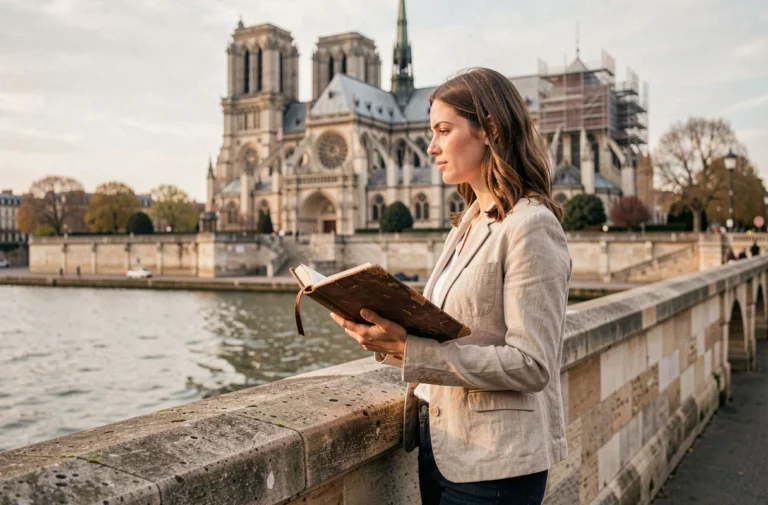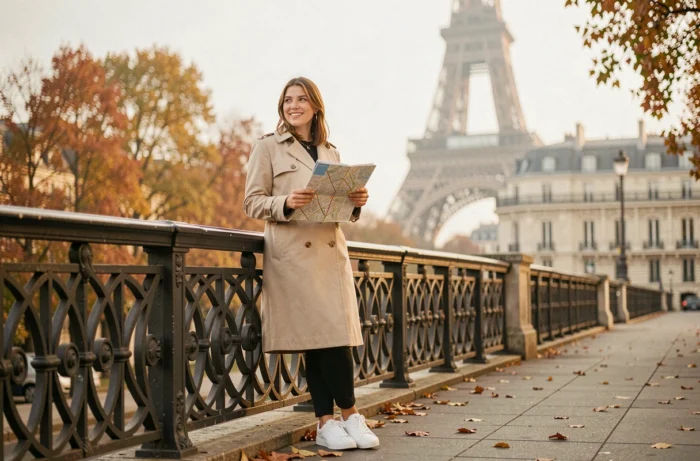
When you already know the Louvre’s queue and the selfie in front of the Eiffel Tower, enjoying Paris differently requires a change in method rather than a change in location. The capital is full of activities that escape the classic itineraries, as long as you know where to step and when to book.
Mandatory reservations and time slots: the new rules for Parisian activities
In recent years, a growing number of cultural experiences in Paris operate on a reservation basis with time slots. The Immersive City of Fables, opening in September 2025, illustrates this format: no queue, but also no spontaneous visits. You book online, choose your time slot, and the capacity remains limited.
This model changes the way to plan a day in the capital. You no longer “happen upon” an unusual activity by chance. You need to check availability several days in advance, compare times, and sometimes accept a weekday slot to avoid weekend peaks.
To discover what exists beyond the major museums, you can explore leisure activities on Faits sur Paris before finalizing your schedule. This type of resource helps identify scripted or immersive formats that do not always appear in traditional tourist guides.
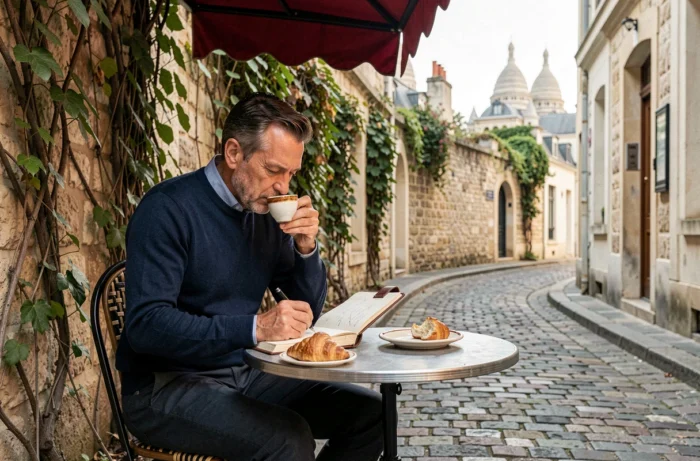
Eco-responsible charter in Paris: what it changes for outings in the city
The City of Paris has tightened the regulation of events with a strengthened eco-responsible charter imposed on organizers. In practice, this also affects visitors: some outdoor activities modify their routes, reduce their logistical footprint, or limit the number of participants.
For urban outings (night walks, neighborhood visits, outdoor escape games), this charter sometimes implies new constraints. A route through the Tuileries Garden or along the Seine may be reconfigured based on municipal events or temporary restrictions related to waste and noise management.
Light mobility and mandatory equipment
Another point to anticipate: travel between activities. Since 2026, wearing a helmet and retro-reflective gear is mandatory in Paris for certain light mobility users. If you plan to travel from Montmartre to Belleville by scooter or shared bike, you need to incorporate this constraint into your preparation.
This detail may seem minor, but it significantly changes the experience of a “discovery” day in Paris. You no longer set out as lightly as before.
Heritage Days in Paris: the best time slot to access closed places
The European Heritage Days remain the most effective opportunity to visit Paris differently. Every year, dozens of normally inaccessible places open their doors in the capital: ministries, private hotels, artisan workshops, backstage of theaters.
The concentration of exceptional openings in Paris exceeds that of most other French cities. You gain access to buildings whose existence you may sometimes be unaware of while passing by every day.
- The most sought-after places are fully booked within hours: reserve as soon as the online program opens, often two weeks before the event
- Favor sites outside the center (peripheral arrondissements) where attendance remains manageable
- Plan an itinerary with two or three nearby locations to avoid wasting time in transit
This is the only weekend of the year when some spaces are accessible for free, making it a window not to be missed for both residents and visitors.
Inclusive activities in Paris: formats designed for all audiences
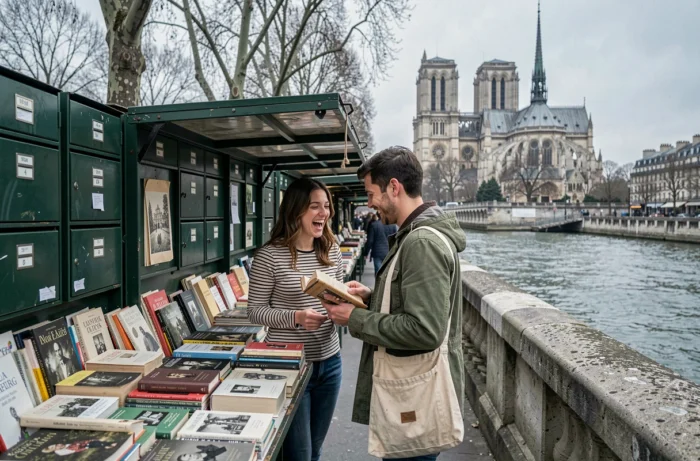
The trend in recent years has pushed Parisian organizers towards intergenerational and inclusive events. We no longer only talk about “unusual” activities aimed at a young and connected audience. The Blue Week, for example, offers a specific program in Paris each year with workshops, visits, and meetings tailored to all ages.
This evolution has a direct impact on the quality of outings. The routes are often better marked, the pace less intense, and the welcome more structured. For a neighborhood visit in Montmartre or a walk along the Seine, this type of format offers a comfort that “adventure” circuits do not always guarantee.
What we gain by stepping away from the “top 10 unusual” format
Lists of unusual activities in Paris often look alike: catacombs, hidden bars, street art in the 13th arrondissement. These suggestions remain valid, but they are saturated. When everyone follows the same “off the beaten path” route, the path becomes beaten again.
- Look for occasional events (neighborhood festivals, openings of artist workshops) rather than already overexposed permanent addresses
- Check the newsletters of district town halls, which relay local activities that are not easily visible on search engines
- Accept that enjoying Paris differently requires more preparation than spontaneity
Feedback varies on this point: some prefer to keep a degree of improvisation. The balance depends on the time available and the number of people in the group.
Discovering Paris outside the classic tourist circuits now requires a bit more organization than a few years ago. Between time slot reservations, equipment rules for soft mobility, and event charters, the “alternative” visit of the capital is planned. It’s the price of an experience that delivers on its promises once you’re there.