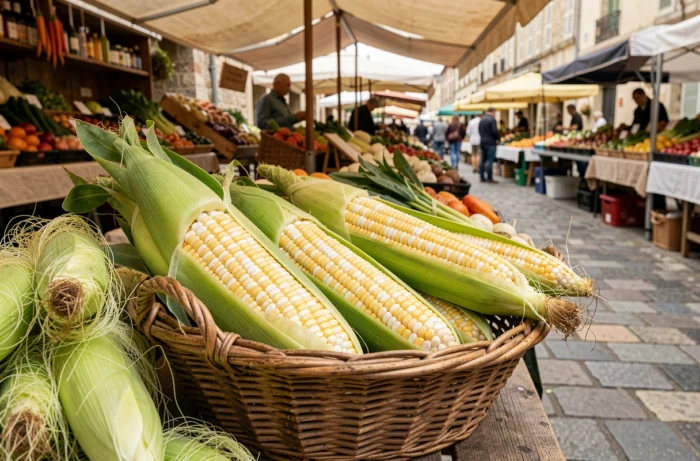
The cobette is that whole cooked corn on the cob that you have probably come across on a fast-food menu or at a summer barbecue. However, the term remains vague for many people. Behind this word lies a method of preparing sweet corn that deserves attention, both for its nutritional qualities and for its simplicity in cooking.
Cobette and corn on the cob: why they are not exactly the same thing
Everyone can visualize a corn on the cob. The cobette more specifically refers to a cooked and seasoned sweet corn on the cob, ready to be eaten as is. The distinction lies in the cooking process: we do not refer to a cobette for a raw cob just harvested.
The term became popular in France thanks to fast-food chains, with KFC leading the way, which offer the cobette as a side dish. Before that, grilled or boiled corn on the cob had already existed in the kitchens of North and South America for centuries, without bearing this name.
To delve deeper into the definition of the cobette in cooking, it is important to remember that the term encompasses both the whole cob and the half cob, often served as a side dish.
Nutritional value of sweet corn: what the cobette really brings
Are you wondering if the cobette is a good food choice? Compared to fries or other classic fast-food sides, the cobette remains the least processed option. It is cooked sweet corn, sometimes brushed with butter, without breading or frying.
Sweet corn provides fiber, complex carbohydrates, and several B vitamins. Its fat content is naturally low. The nutritional problem arises when large amounts of butter or rich sauces are added.
The difference between a homemade cobette and a restaurant cobette
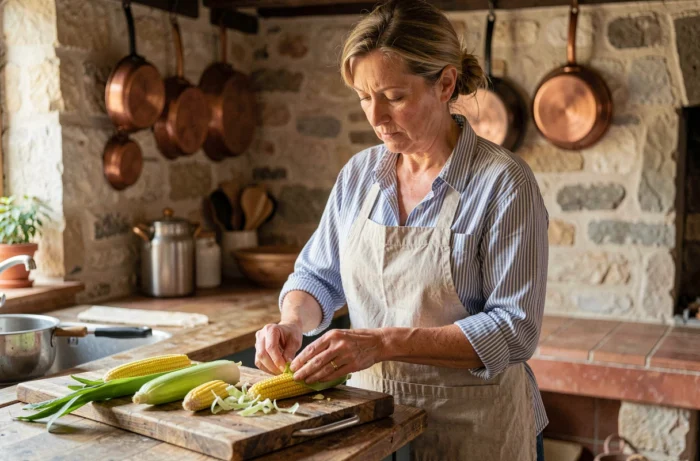
In restaurants, the addition of fats and salt is often generous. At home, you control the seasoning. A drizzle of olive oil, a pinch of paprika, and a few fresh herbs are enough to enhance the flavor without weighing down the calorie count.
The Allo Docteurs website recommends prioritizing corn in its raw form or homemade cooking to preserve its nutritional qualities. Highly processed versions of corn contain significantly more quick sugars and fats than simply cooked corn on the cob.
Cooking the cobette: oven, barbecue, or boiling water
Three methods cover almost all domestic uses. Each yields a different result in texture and taste.
- In the oven: wrap the cob in aluminum foil with a bit of butter and spices. Cook until the kernels are tender. This method concentrates the flavors and slightly caramelizes the surface.
- On the barbecue: place the cob directly on the grill, with or without the corn husk. Direct heat creates grill marks and imparts a smoky flavor that the oven cannot replicate.
- In boiling water: the quickest method. Immerse the cobs in a large pot of salted water. This is the ideal technique when you want tender, juicy corn, without crust or caramelization.
The choice depends on the desired result. For a side dish with grilled meat, the barbecue is essential. For an everyday dish, boiling water does the job in just a few minutes.
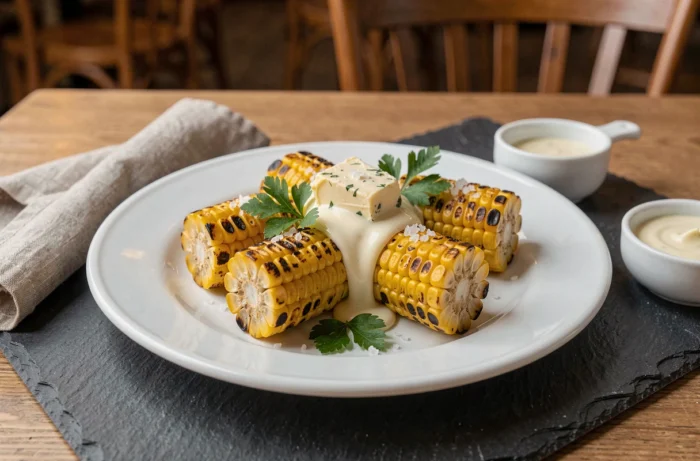
Homemade cobette recipes: three ideas that change the ordinary
Everyone knows plain cobette with butter. Here are some ideas to vary the pleasures without complicating the preparation.
Cobette with herb butter and lime
Mix softened butter with chopped cilantro, lime zest, and a hint of chili. Spread this butter on the cob right after cooking. The lime cuts the sweetness of the corn and adds freshness, which works particularly well in summer.
Cobette Mexican street food style
Elote, sold on the streets of Mexico, is prepared with cream, grated cheese (such as cotija or feta as a substitute), chili powder, and a squeeze of lime. This rich and spicy version transforms the cobette into a dish in its own right, not just a simple side.
Oven-roasted cobette with parmesan and garlic
Brush the cob with olive oil mixed with pressed garlic. After baking in the oven, sprinkle with parmesan and black pepper. Grilled parmesan forms a salty crust that contrasts with the sweetness of the corn.
Cobette and balanced diet: a side dish to reposition
The cobette suffers from an image of a fast-food product. This is unfortunate because it stands out precisely for its low level of processing. A cooked corn on the cob remains a raw food, unlike the nuggets or fries that surround it on a tray.
Recent consumption data shows that cereal products are progressing in the dietary habits of the French, including in out-of-home dining. The cobette fits into this trend: a plant-based product, simple, that requires neither frying nor additives to be tasty.
Preparing a homemade cobette brings this side dish back to its healthiest form. Cooked sweet corn, whether in water or the oven, seasoned sparingly, remains a food rich in fiber and moderate in calories. It is the seasoning that tips the cobette to the healthy side or the indulgent side, not the corn itself.