
Brittany in 2026 is not just a tourist trend report. With unprecedented institutional claims, a tightening of maritime regulations, and an upscale evolution of the local gastronomic scene, the subtle signals of this year outline a rapidly changing region.
Modified Division 240: What Changes for Boating in Southern Brittany
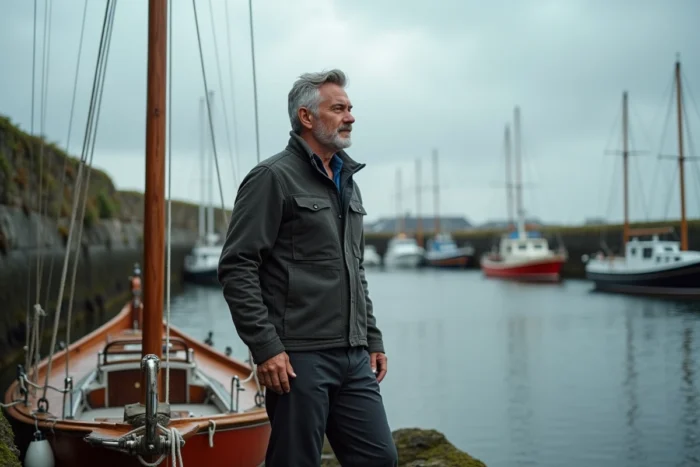
The decree of October 11, 2024, modifying Division 240 has tightened the equipment requirements for coastal and semi-offshore navigation. Sailing schools, boat rental companies, and independent skippers from Morbihan to Southern Finistère have had to adapt their fleets and procedures well ahead of the season.
We observe that the impact goes beyond mere safety equipment. Renters must now verify the compliance of each vessel before departure, which extends turnaround times and alters pricing models. For community sailing centers, the additional costs for equipment (life jackets, locating devices, communication tools) weigh heavily on already constrained budgets.
This regulatory tightening remains largely absent from mainstream articles on “Brittany’s new features,” even though it conditions access to the sea for thousands of practitioners every summer. Among the new features from Jeune Bretagne, this maritime regulatory aspect deserves special attention because it affects both professionals and occasional boaters.
Brittany’s Autonomy: The Claim Made by Elected Officials in 2026
On June 23, 2026, the National Assembly adopted a constitutional bill granting legislative autonomy to Corsica. The Breton reaction was immediate. A coordinated statement from the elected representatives of the “Breton people” demanded a comparable institutional evolution for Brittany.
The significant fact lies in the profile of the signatories. The claim for autonomy is no longer confined to historical activist movements. It is now supported by part of the local political class, with significant backing in the regional press.
This underlying political trend is changing the Breton landscape at several levels:
- It raises the question of expanded regional competencies in culture, the Breton language, and local taxation, topics that have so far been treated marginally.
- It reignites the debate on the administrative reunification of Brittany (integration of Loire-Atlantique), a recurring subject now backed by a Corsican constitutional precedent.
- It creates a context of regulatory uncertainty for economic actors who depend on regional policies (tourism, agriculture, maritime).
Whatever the future of the text, Brittany’s autonomy has shifted from the activist realm to the institutional realm, and this is likely the most structuring trend of the year.
Local Breton Gastronomy: The Rise of the Land
The Breton coastline attracts media attention, but the gastronomic scene is moving inland. Gault&Millau lists no fewer than 237 tables to try in Brittany for 2026, a figure that includes a growing proportion of addresses located far from the coast.
Rare Butters and Local Products as Markers
Gault&Millau highlights that chefs are clamoring for rare and confidential Breton butters. These farm butters, produced in micro-volumes, serve as a signature for restaurants that want to differentiate themselves without resorting to traditional supply chains. Butter becomes a positioning marker, just as natural wine has been for other regions.
Inland Brittany (central Finistère, Kreiz Breizh, Morbihan hinterland) also benefits from the “market and seasonal cuisine” trend promoted by concepts like Effet Mer, which work with local products according to daily arrivals. We recommend following this dynamic: it redistributes visitor flows and creates value in areas previously considered transit zones.
Affordable Restaurants: A Format Gaining Ground in Morbihan
“Affordable” restaurants are also arriving in Morbihan, according to Ouest-France. This format, already established in major metropolitan areas, responds to a demand for accessible gastronomy without compromising on product quality. Chefs who enter this niche focus on short menus, local sourcing, and straightforward service.

This pricing strategy is no coincidence: it attracts a local clientele that had abandoned traditional restaurants and draws visitors seeking authenticity rather than decor.
Breton Gourmet Events: A Busy Calendar Starting in June
Crepe Festival, food market, tuna festival: the Breton event calendar for summer 2026 confirms the underlying trend towards product-centered events rather than spectacle. Ouest-France counts at least six major events just in June.
These short formats (one to three days) share several characteristics:
- They highlight a unique product (tuna, crepe, cider) rather than a general offer, which strengthens the identity of each event.
- They take place in rural communities or fishing ports, not in the usual tourist city centers.
- They incorporate local producers into the setup, with direct sales and demonstrations, instead of relying on external caterers.
The Breton event model focuses on specialization rather than the accumulation of activities. The organizers we observe prioritize the depth of the experience (one product, one expertise, one territory) over the breadth of the offer.
Brittany in 2026 can be read through these intersecting signals: a more demanding maritime regulatory framework, a political claim that is changing its nature, a gastronomy that is moving inland, and events that choose specialization. Each of these threads, taken in isolation, seems sectoral. Together, they outline a region that is refining its identity rather than diluting it.