A pair of Skechers worn for three months that starts to squeak on the tiles, a memory foam sole that collapses after a few weeks of daily walking, a mesh that tears at the toe: we have all encountered at least one of these cases. Skechers shoes are appealing for their immediate comfort, but some models pose recurring problems when the wrong product is chosen for the wrong use.
Skechers Counterfeits: The Trap That Skews All Diagnosis
Before blaming the brand, it’s essential to check the origin of the pair. A significant portion of quality complaints comes from shoes purchased through unofficial channels (third-party marketplaces, discount websites, dubious resellers).
These products are often counterfeits. The materials used are low quality, the soles are less durable, and the manufacturer’s warranty does not apply. A good reflex: buy only through the Skechers website, its stores, or authorized resellers.
To identify a fake, look at the stitching finish, the quality of the logo print, and especially the packaging. A box without a product reference, an unreadable barcode, or an abnormally low price are warning signs. If you have already encountered the issues with Skechers after a discounted online purchase, the counterfeit remains the most likely hypothesis.
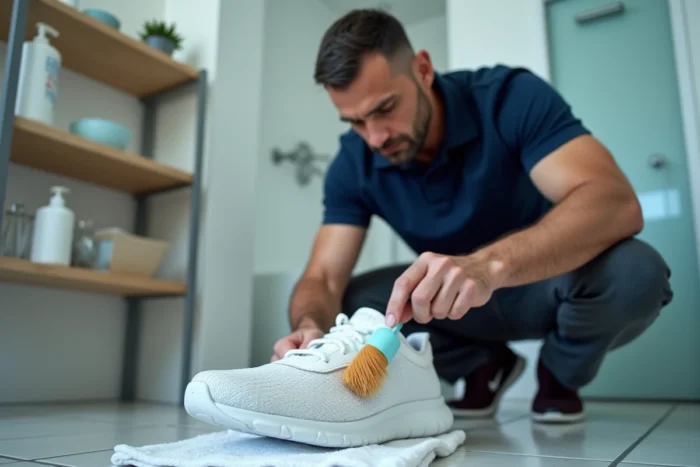
Memory Foam Sole That Collapses: Choosing the Right Model According to Use
Memory foam is Skechers’ main selling point. It conforms to the shape of the foot from the first try-on, providing an immediate feeling of comfort. The problem is that this foam compresses faster when it is not designed for the intended use.
A lifestyle model (light walking, office) cannot withstand the same stresses as a running or sports model. Wearing a Skechers Go Walk for regular running accelerates the degradation of the insole. The foam loses its bounce, the heel sinks, and the cushioning disappears.
Extending the Lifespan of the Insole
- Alternating two pairs daily allows the foam to regain its volume between uses
- Remove the insole after each wear to let it air dry, especially in hot weather
- Replace the original insole with an orthopedic insole or a sports insole if the model allows (most Skechers have removable insoles)
Returns vary on this point, but it is generally observed that the standard memory foam sole holds up better on models for moderate urban use than on those used for sports.
Squeaking Shoes: Where It Comes From and How to Stop It
Squeaking is one of the most reported problems. This noise comes from the friction between the insole and the midsole, or between the outsole and certain smooth floors.
Sprinkling talc or cornstarch under the insole is sufficient in most cases. Remove the removable insole, apply a thin layer of powder inside the shoe, and replace the insole. The talc absorbs residual moisture and reduces friction.
If the noise comes from the outsole (contact with tiles or hardwood floors), it is often related to a rubber coating that is too smooth on a new model. A few days of outdoor wear on abrasive surfaces (sidewalk, concrete) slightly wears down the sole and resolves the issue.
Torn Mesh and Premature Wear of the Shoe Upper
The textile mesh used on many Skechers models offers good breathability, but it remains fragile against repeated friction. The most exposed areas: the top of the toes (especially if the shoe is too tight) and the heel area.
Choosing a half size up prevents excessive tension on the mesh at the toe level. The foot should not push against the front of the shoe while walking. Check by pressing on the front: there should be about an inch of space in front of the big toe.
Repairing a Tear in the Mesh
For a small tear, a flexible textile glue (like Shoe Goo) applied inside the mesh prevents the tear from spreading. Pinch the edges together and let it dry flat overnight. The result lasts several weeks under normal use.
If the tear is larger, a heat-activated patch for sports fabric, cut to the right size and placed inside the shoe, reinforces the area without altering comfort. Avoid visible patches on the outside that peel off within a few days.
Returns and Skechers Customer Service: The Concrete Steps to Follow
When the issue is due to a manufacturing defect (detached sole, loose stitching, eyelet torn off during the first uses), contacting the original point of sale remains the quickest approach. Authorized retailers can offer an exchange or a store credit on the spot.
If the purchase was made on the Skechers website, the quality service can be contacted via email. You need to provide proof of purchase, photos of the defect, and the model reference (visible on the label inside the tongue). Processing usually takes a few business days.
- Keep the receipt or order confirmation for at least six months after purchase
- Photograph the defect from multiple angles, with the shoe flat and worn
- Note the model number and purchase date before contacting customer service
One point to keep in mind: normal wear due to intensive or inappropriate use does not constitute a manufacturing defect. Skechers clearly distinguishes between product defects and wear from use, which may limit recourse if the model was not suitable for the activity performed.
Choosing the right model for the right use, verifying the authenticity of the product at the time of purchase, and regularly maintaining the insole: these three simple reflexes resolve the vast majority of disappointments. The rest involves an exchange with customer service, provided you have kept your proof of purchase.